
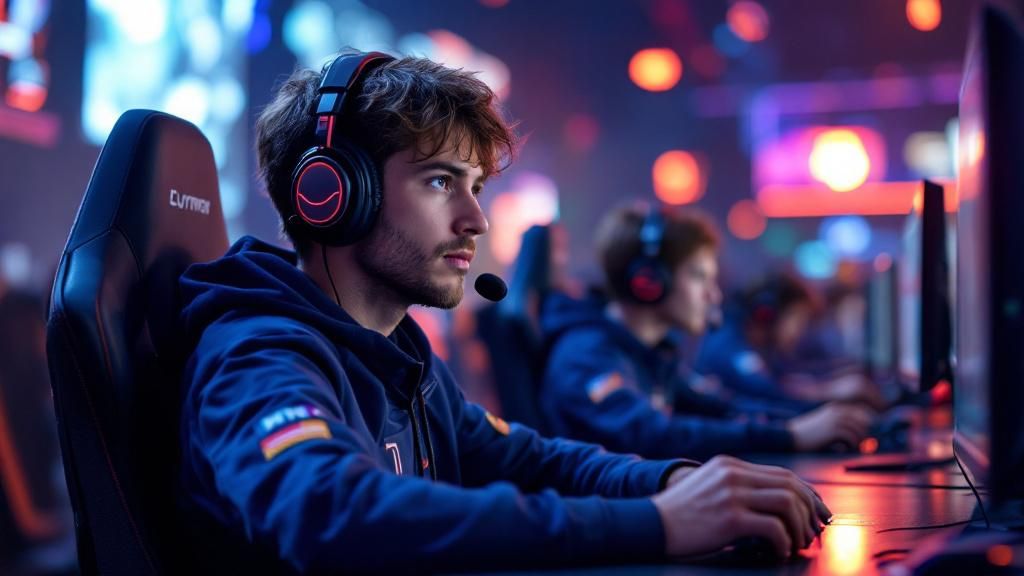
The esports industry has taken a significant step forward in prioritising competitor wellbeing. Prominent event operators have jointly unveiled a comprehensive player welfare standards framework, confronting persistent issues about mental wellbeing, labour conditions, and just treatment within professional gaming. This groundbreaking development constitutes a turning point for esports legitimacy, establishing baseline protections that could transform how the industry operates. We analyse the framework’s principal elements, the organisations driving this change, and what it means for competitors and the esports ecosystem moving forward.
Industry-Wide Commitment to Player Wellbeing
The joint initiative between leading esports organisations marks a watershed moment for competitor welfare within esports competition. This unified framework demonstrates the sector’s real dedication to creating lasting protocols that prioritise competitor wellbeing alongside sporting achievement. By pooling resources and expertise, these organisations have created comprehensive guidelines addressing physical condition, psychological wellbeing, and professional security. The scheme shows growing recognition that competitor health substantially impacts output standards and sustained careers, making it essential for the sector’s reputation and development.
Tournament administrators have acknowledged that previous standards were scattered and uneven, putting athletes at risk of exploitation and burnout. The new framework creates uniform requirements throughout leading tournaments, ensuring every professional competitor receives equitable treatment and availability of vital assistance. This integrated system removes unfair disparities resulting from differing safeguards and establishes a level playing field. Industry leaders stress that these standards represent minimum requirements, prompting entities to go beyond minimum standards and build authentically nurturing spaces where competitors can excel across professional and personal dimensions.
Core Features of the Welfare Provision
The newly formed welfare framework comprises multiple linked pillars intended to safeguard player welfare completely. These components cover mental wellbeing assistance, physical health, fair working conditions, and transparent dispute resolution mechanisms. By combining these components, tournament organisers seek to develop a comprehensive strategy that acknowledges esports athletes as professional athletes entitled to comprehensive protections. The framework defines minimum standards that all associated competitions are required to adopt, providing consistent player safeguards across the esports competitive sector.
Mental Wellness Care Services
Recognising the psychological pressures inherent in esports at a professional level, the framework stipulates provision of qualified psychologists for every competing player. Tournament organisers are required to provide confidential counselling services, through direct delivery or collaborative arrangements with qualified mental health providers. Such services include managing stress, performance anxiety support, and crisis support resources. Players gain access to experienced psychologists who understand esports-specific challenges, such as online abuse, intense competitive pressure, and career instability.
The framework further stipulates tournaments to introduce psychological awareness schemes and destigmatisation initiatives across the community. Organisers must educate players, coaches, and staff about spotting psychological difficulties and utilising proper help. Ongoing assessments and wellness monitoring systems assist in spot struggling players at an early stage, enabling early action before situations develop into serious psychological crises.
Physical Wellbeing Requirements
Tournament coordinators must establish detailed wellness standards addressing ergonomics, recovery intervals, and clinical supervision. The framework mandates appropriate chairs, screen placement, and rest periods to minimise overuse injuries frequently seen in esports professionals. Healthcare professionals must be present at large-scale competitions to manage immediate medical concerns, whilst organisers are required to give advice about harm prevention and suitable medical facilities for ongoing player improvement.
Environmental conditions at tournament venues are now subject to strict guidelines maintaining player wellbeing and safety. Regulations cover temperature control, lighting standards, and noise levels to deliver optimal performance conditions. Additionally, the framework promotes players to undergo routine medical evaluations and provides guidance on diet, sleep hygiene, and exercise routines essential for sustained competitive excellence in esports.
- Workplace gear evaluations conducted by certified experts
- Mandatory rest periods during competitions reducing player exhaustion
- On-site medical staff present during all competitive events
- Injury prevention education and rehabilitation service availability
- Wellness tracking systems tracking athlete health across the year
Implementation Timeline and Standards
The framework will be rolled out in three different phases, commencing immediately with preliminary assessments across member organisations. Tournament operators have pledged to completing initial audits of their present procedures by the conclusion of Q1, identifying gaps between existing protocols and the updated requirements. This foundational phase ensures a thorough understanding of each organisation’s starting point before making material alterations. Subsequent phases will include staff training, guideline amendments, and the establishment of independent oversight mechanisms to secure conformity and transparency throughout the esports industry.
The standards themselves encompass mandatory provisions relating to mental health support, practical training timetables, and open reward distribution systems. Each organisation is required to appoint a dedicated player welfare officer tasked with handling grievances and upholding guidelines. Regular audits, conducted by third-party bodies, will assess conformity and identify areas requiring improvement. These comprehensive measures create quantifiable standards for competitor welfare, with regulatory tools including financial penalties and possible competition restrictions for organisations failing to meet required standards.
Sector Response and Future Perspective
The announcement has received widespread support from key figures within the professional esports landscape. Players’ associations have endorsed the guidelines as a essential move towards professionalising the sector, whilst organisation proprietors and sponsors appreciate the prospects of greater credibility and sustainability. Equipment suppliers and content distribution networks have undertaken to embed safeguarding measures into their operations, demonstrating a shared dedication to systemic change. Initial signs indicate that regulatory bodies and public sector leaders regard the guidelines favourably, potentially paving the way for legislative recognition of competitive gaming as a established professional field.
Looking ahead, sector analysts anticipate that this framework will serve as a template for global adoption, with regional competitions and grassroots events expected to implement comparable standards. The programme is likely to inspire ongoing discussion regarding player compensation, professional progression routes, and mental health resources. As esports undergoes meteoric growth, these welfare standards represent a crucial safeguard ensuring that competitive gaming remains viable, inclusive, and respectful for all participants, in turn strengthening the industry’s position as a legitimate competitive sector.
